
Faith and Feelings: God Cares About Your Child’s Emotions

Children’s emotions can feel overwhelming — for them and for us as parents. As a mother of two and a child mental health specialist, I’ve witnessed firsthand how strong feelings can take over a child’s day, leaving them frustrated, anxious, or unsure of themselves. At times, I’ve felt unsure of how to respond myself. The good news is that emotions are not something to fear or suppress. They are part of God’s design, and He cares deeply about how our children feel.
In this post, I want to show you why emotions matter, how they connect to faith, and practical ways to help your child navigate their feelings confidently and in God’s love.
Why Emotions Matter
Emotions are a gift from God. They signal what a child is experiencing internally and help them connect with themselves, others, and with God. Suppressing emotions or telling children to “just get over it” can unintentionally teach them that feelings are bad or unimportant. This can affect their self-esteem, relationships, and even physical health.
Research in child development shows that children who learn to identify and express their emotions early are more resilient, socially competent, and better able to navigate challenges. Emotional awareness helps children:
Recognize when they need support
Communicate their needs effectively
Develop empathy for others
Manage stress in healthy ways
Faith and mental health go hand in hand. The Bible shows us that God values emotions. David expressed joy, sorrow, and even anger in the Psalms. Jesus wept over His friends in John 11:35, demonstrating that even our Savior experienced deep emotions. These examples remind us that emotions are part of being human — and part of being made in God’s image.
The Connection Between Faith and Emotional Well-Being
Faith gives children a framework to understand emotions and feel secure even when life is challenging. When children know God is with them in every situation, they can face big feelings with a sense of safety and hope.
Here’s why faith matters for emotional development:
Security in God’s Love: Children who understand they are loved by God can manage disappointment and fear more effectively.
Guidance for Coping: Scripture offers practical guidance for dealing with anger, sadness, and worry. For example, Philippians 4:6 reminds us to bring our worries to God in prayer.
Modeling Emotional Regulation: When parents pause to pray, reflect, or use Scripture to calm their own hearts, children learn to do the same.
Practical Ways to Support Your Child
Helping children navigate emotions requires intention, patience, and practical tools. Here are several strategies that I’ve used as both a parent and a child mental health specialist:
1. Name the Feeling Together
When your child is upset, help them label their emotion. Simple statements like, “I see that you’re frustrated,” or “It seems like you’re feeling worried” help children understand and name what they are experiencing. Naming feelings gives children a sense of control and begins the process of emotional regulation.
2. Use Prayer or Reflection
Encourage children to pray about their feelings or take a quiet moment to reflect on what God says about their situation. You might say:
“Let’s pray together and ask God to help us feel calm.”
“God knows how you feel, and we can share these feelings with Him.”
Scriptures like 1 Peter 5:7 — “Cast all your anxiety on Him because He cares for you” — are excellent for helping children see that God is always present and attentive to their emotional needs.
3. Model Emotional Expression
Children learn by example. Share your own feelings in age-appropriate ways:
“I’m feeling tired, so I need a few minutes of quiet.”
“I felt nervous before my presentation, but praying helped me feel calmer.”
This demonstrates that all emotions are valid and manageable with God’s guidance.
4. Use Journaling or Creative Play
Writing, drawing, or role-playing emotions helps children process their feelings safely. Journals like My Big Emotions Journal provide guided prompts that teach children to recognize emotions, reflect on triggers, and respond in healthy ways.
For children exploring their identity and faith alongside emotions, My True Identity Journal offers prompts that encourage reflection on who they are in God’s eyes. These activities allow children to process emotions while anchoring their sense of self in God’s love.
5. Establish Daily Habits
Daily routines can anchor emotional health:
Morning check-ins: Ask your child, “How are you feeling today?” and reflect briefly together.
Gratitude practice: Encourage children to name one thing they are thankful for, helping them notice God’s goodness even on tough days.
Evening reflection: Use journaling or prayer to review emotions of the day, identifying moments of joy, sadness, or challenge.
Even 5–10 minutes per day can make a significant difference in helping children develop emotional literacy and resilience.
Overcoming Challenges
It’s normal to encounter resistance or frustration from children when introducing emotional awareness practices. Here are some tips:
If your child resists journaling: Start with drawing or short verbal check-ins. You can gradually introduce written reflection.
If emotions escalate quickly: Pause, model deep breathing, and offer reassurance before introducing strategies.
If you feel overwhelmed as a parent: Remember, your presence, patience, and consistency matter more than perfection. God sees your efforts.
Encouragement for Parents
Parenting children with big emotions is challenging, but it’s also a sacred opportunity to model God’s love and provide life-long tools. Small, consistent practices — naming feelings, praying together, journaling, and reflecting on Scripture — build emotional intelligence and resilience that lasts a lifetime.
As a mother, I’ve learned that even brief moments of reflection or prayer can calm a storm of emotions in my children. These moments also remind me of the patience, empathy, and faith needed to guide children through life’s ups and downs.
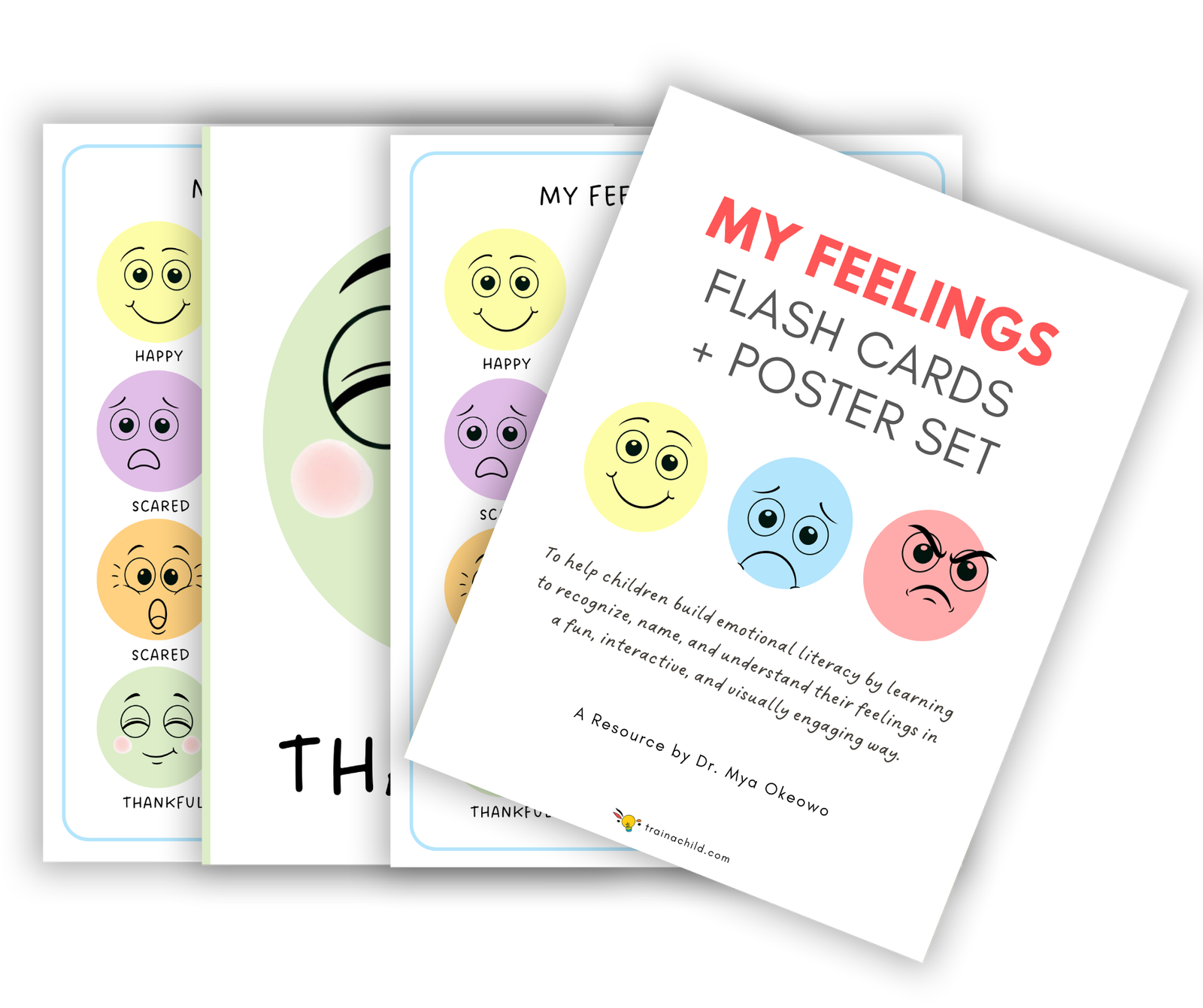
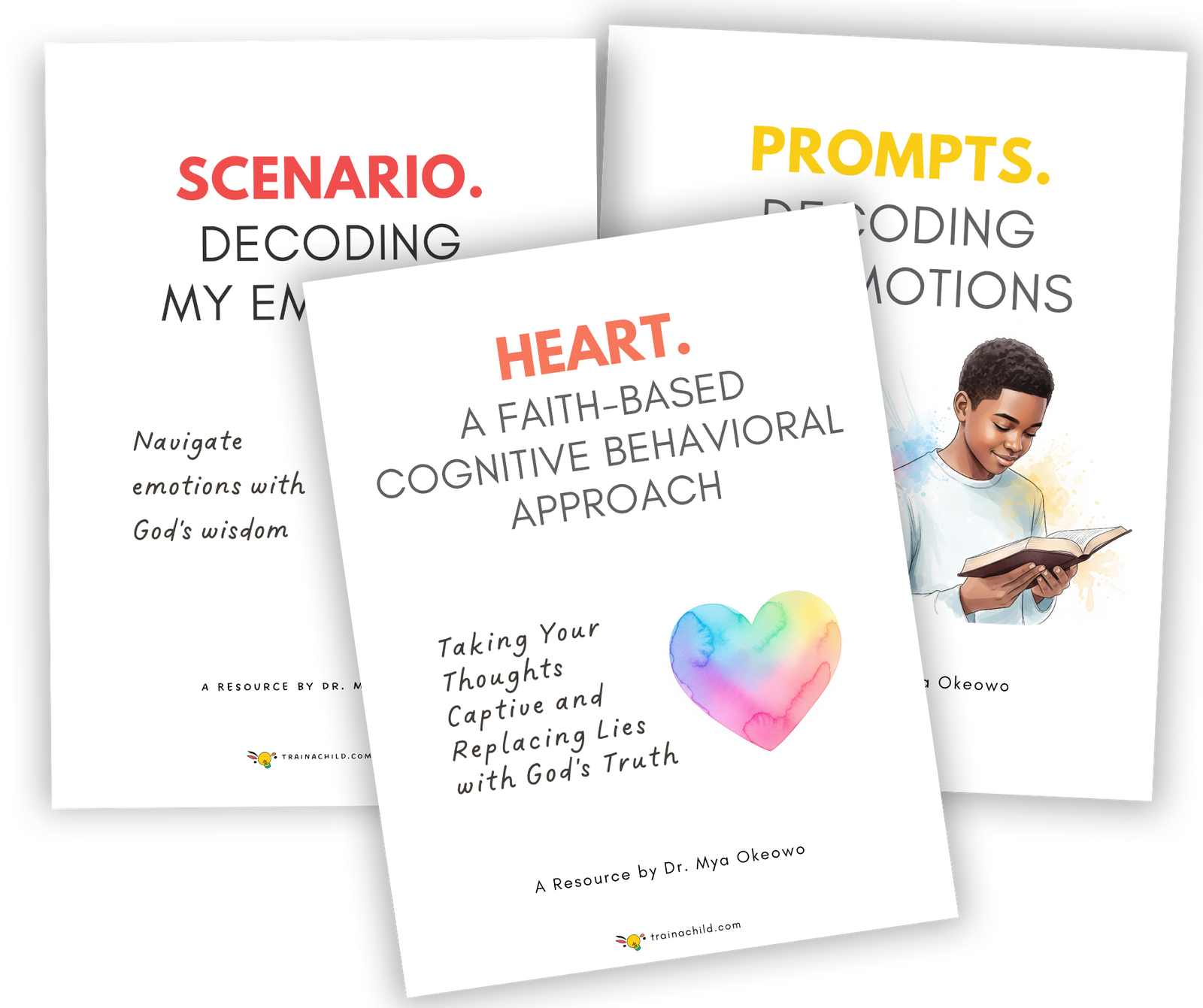
Faith Reflection
Psalm 34:18 reminds us: “The Lord is close to the brokenhearted and saves those who are crushed in spirit.” This verse is a beautiful reminder that God is not distant when our children (or we) experience sadness, fear, or frustration. Faith gives children a safe anchor for navigating emotions, providing both spiritual security and emotional growth.
Resources to Support Emotional Growth
To help parents and caregivers guide children in faith-centered emotional development:
My Big Emotions Journal – Daily prompts to help children recognize, name, and manage emotions while connecting with God’s love.
My True Identity Journal – Faith-based reflection activities that teach children who they are in Christ while fostering emotional awareness.
With daily guidance and God’s love, your child can learn to navigate their emotions with confidence, joy, and hope.
Remember
Big emotions are not something to fear — they are an opportunity for growth, learning, and connection with God. With daily guidance, intentional practices, and faith-centered tools, your child can navigate their feelings with confidence, develop resilience, and grow in their understanding of God’s love.
Tags





Thank you for the great tips on summer activities!
Interesting and helpful tips for summer activities!
Comments are closed.